
A Warrant of Fitness confirms your vehicle meets New Zealand's minimum safety standards. The inspection itself takes around 45 minutes on average, and the cost depends on your vehicle's type and size — worth a quick call for an exact quote before you come in.
How often you actually need one
- Brand new vehicles: inspected at first registration, then again on the third anniversary of that registration.
- Vehicles first registered from 2000 onward: once a year.
- Vehicles older than 2000: every six months.
What gets checked
The inspection covers the safety-critical systems rather than the condition of the car overall. In practice that means:
- Tyres — tread depth and general condition
- Brakes
- Steering
- Lights and indicators
- Seatbelts
- Mirrors
- Exhaust system
- Windscreen and wipers
- Speedometer operation
- Structural integrity — no unsafe rust
The ten-minute driveway check
A surprising number of failures are things you can spot yourself before you book. Walk around the car and check:
- Every light and indicator, including brake lights — get someone to stand behind the car while you press the pedal.
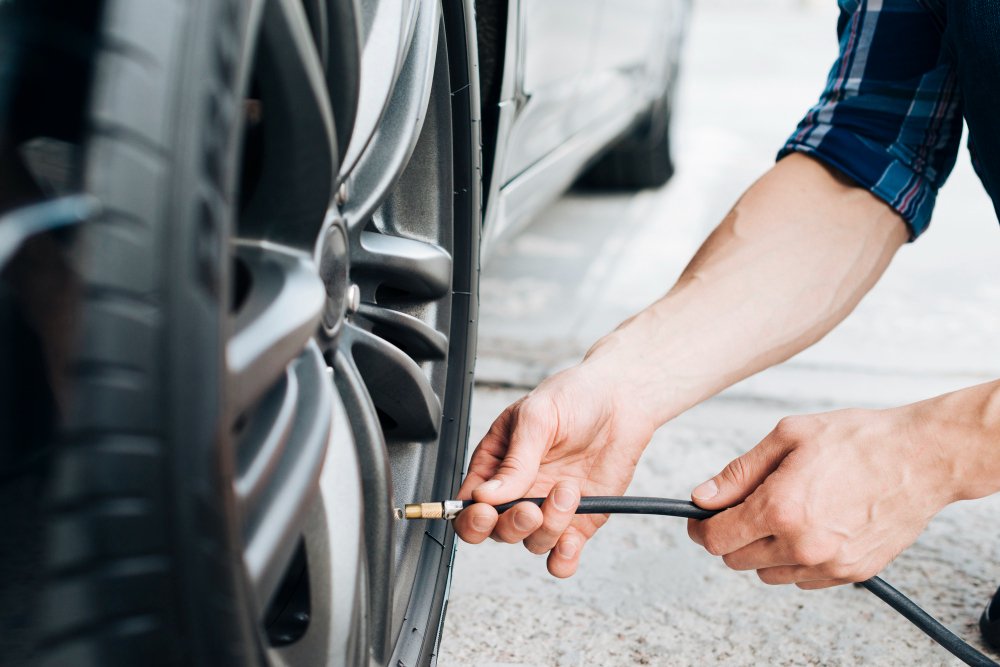
- Tyre tread across the full width of each tyre, not just the middle.
- Wiper blades — if they smear or chatter, replace them.
- Fluid levels, especially washer fluid, since a working washer is part of the check.
- Every seatbelt, pulling each one fully out and letting it retract.
- Any warning lights still showing on the dash once the engine is running.
If it doesn't pass
You get a clear written list of what needs attention — no vague verdicts. You then have 28 days to get the faults sorted and come back for a free recheck. Because we're a full workshop rather than an inspection-only site, we can usually quote and carry out the repair on the spot instead of sending you elsewhere to chase parts.