When you pick up a nail or a screw, the first question is whether the tyre can be safely repaired rather than replaced. That's not a judgement call about cost — it's a safety threshold, and there are four conditions a tyre has to meet.
The four conditions for a safe repair
- Tread puncture — the damage has to be in the central tread area. Punctures elsewhere aren't safely repairable.
- No sidewall or internal damage — a tyre that's been driven on while flat often has hidden internal damage even if the outside looks fine.
- Legal tread remaining — at least 1.5mm. Repairing a tyre that's nearly worn out only buys you weeks.
- No over-repair — tyres with previous structural repairs, or too many existing repairs, aren't candidates.
Why repair rather than replace
- It costs considerably less than a new tyre.
- A certified repair on a tyre that meets the conditions above is a safe, permanent fix.
- It keeps a perfectly serviceable tyre out of the waste stream.
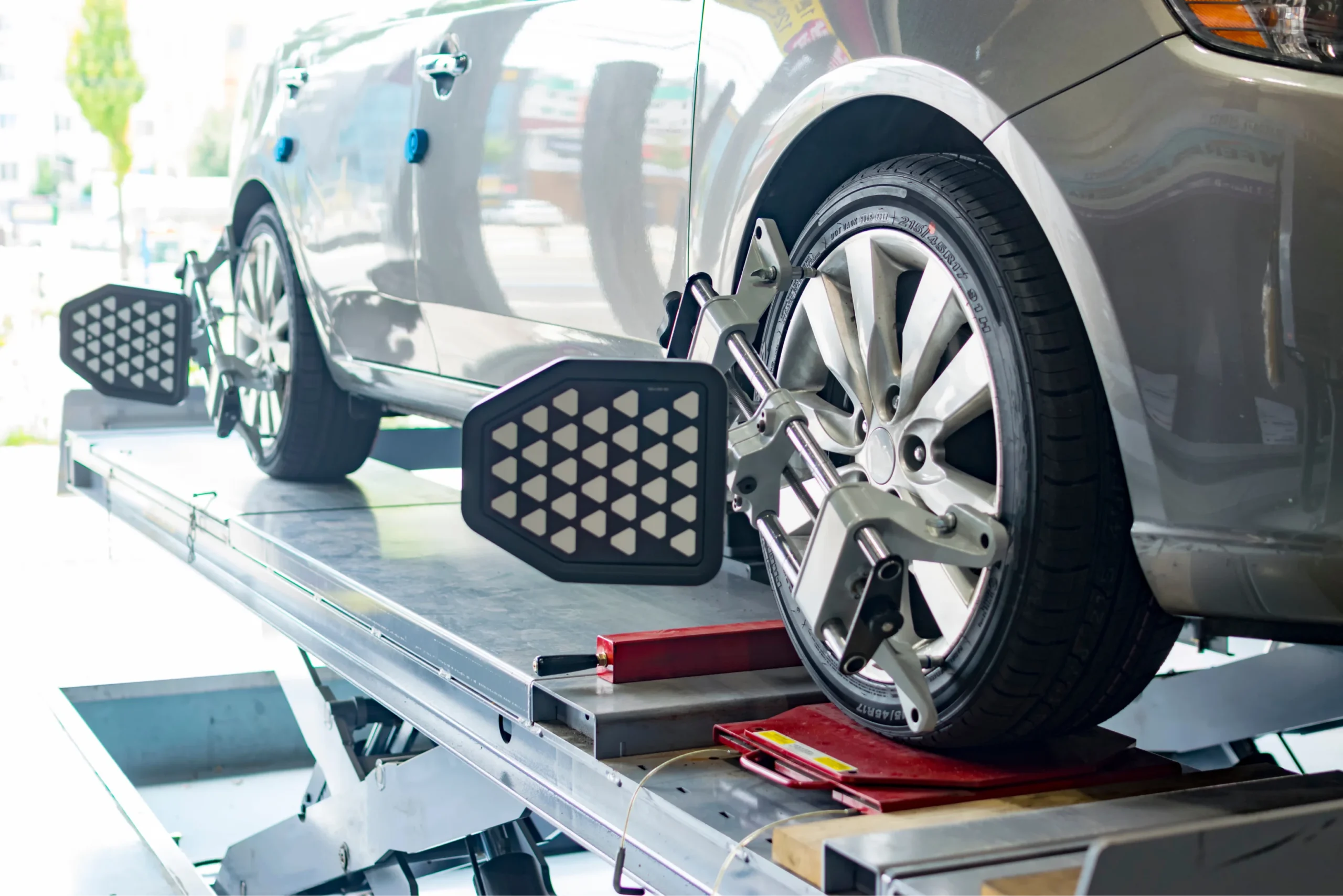
If your tyre doesn't meet the conditions, we'll tell you straight rather than patching something that shouldn't be patched. And if it does need replacing, we can fit and align it in the same visit.